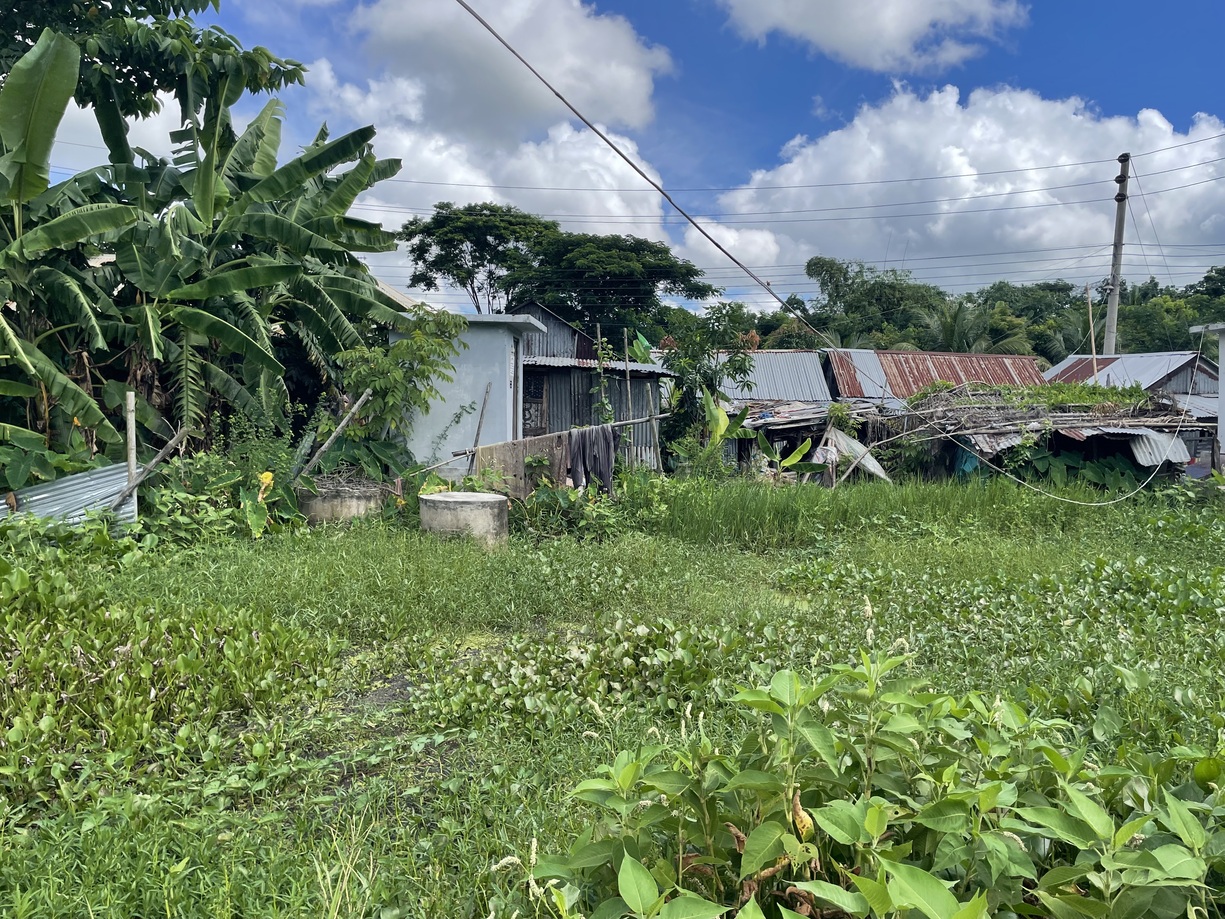
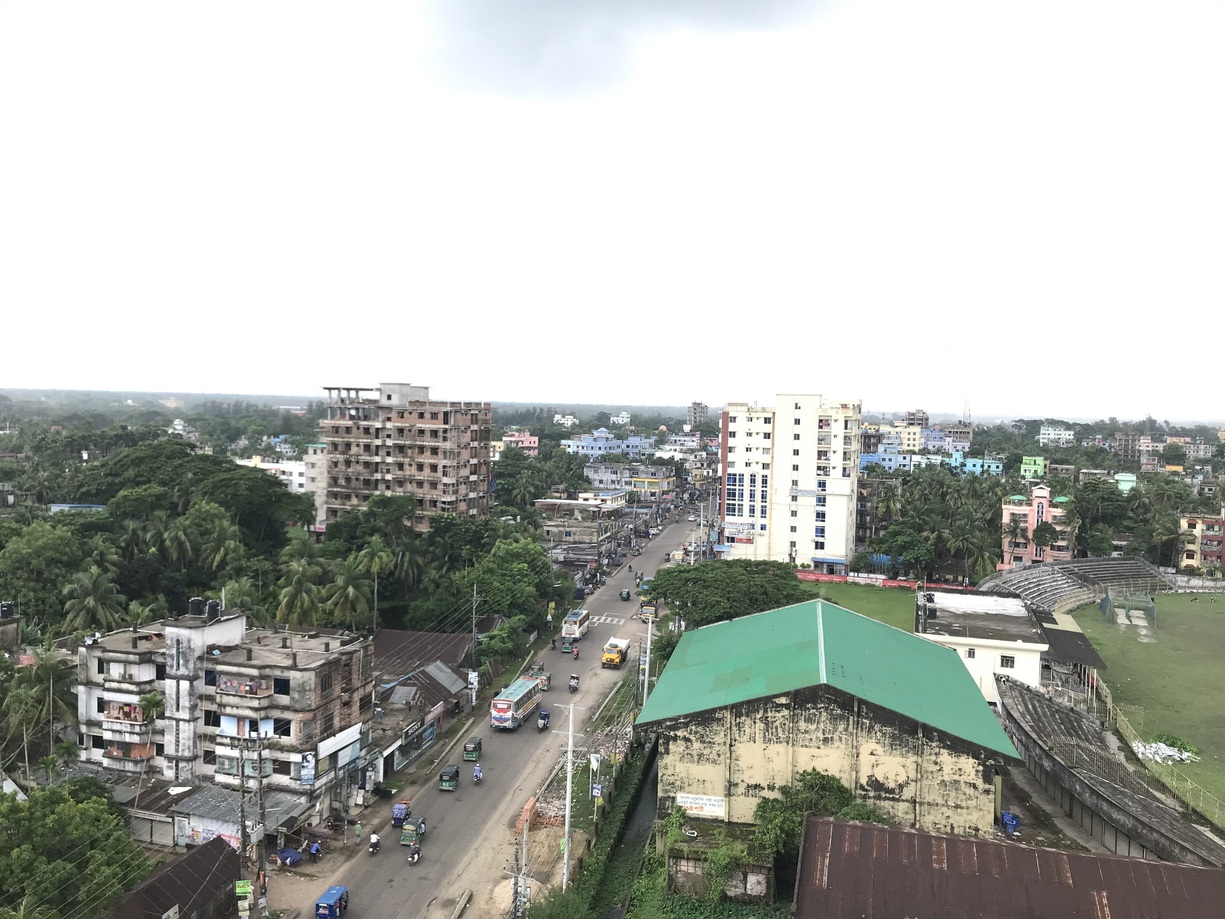
Sherpur, Bogura, Rajbari, Gopalganj, and Noakhali, municipalities in Bangladesh, encompass populations varying from 64,000 to 400,000. Bogura holds the distinction of being the most populous, while Rajbari is the least densely inhabited. These towns collectively provide valuable insights into Bangladesh’s sanitation conditions, scattered across the country, offering a diverse overview. The climate tends to exhibit moderate conditions, with temperatures gradually ascending from February to April, maintaining stability from April to October, and then tapering off to the lowest levels in January. Notably, the presence of water bodies in these areas significantly contributes to the occurrence of floods within these towns.
TA-Hub (BMGF), ADB & DPHE
May, 2021
5 Towns Bangladesh
The project’s focus extends to providing essential support to five towns in Bangladesh, all within the framework of the City-Wide Inclusive Sanitation (CWIS) approach. This comprehensive initiative encompasses multiple critical components, such as thorough data collection efforts, the development of comprehensive sanitation plans, and the facilitation of well-informed decision-making processes. By doing so, the project lays the groundwork for proposed reforms to take shape and acts as a vital launching pad for the subsequent phases, including Detailed Project Report (DPR) preparations and the actual implementation of these improvements.
The overarching goal is to significantly enhance sanitation services in these towns, with a clear emphasis on data-driven planning and decision-making, ultimately contributing to improved public health and overall living standards in the region.
The project provided support to Pourashavas in Bangladesh to develop comprehensive sanitation plans using CWIS approach, which focuses on inclusive, holistic, and sustainable sanitation planning and implementation for urban areas.
Extensive data collection and analysis involved gathering detailed information, particularly on household sanitation improvement, as well as the management of public toilets, which encompassed a complete safe sanitation value chain.
The project involved a thorough review of FSM protocols to ensure they met the required standards and practices. This review aimed to enhance the handling and treatment of faecal sludge, an essential component of urban sanitation.
Various treatment options were assessed for their feasibility and effectiveness. The project considered a range of technologies and methods to determine the most suitable approaches for sanitation improvement.
The project developed CWIS sanitation plans, considering all aspects of sanitation in the target areas. These plans included a financial feasibility plan to ensure practical implementation, initially covering 5 towns and later expanding to 25 more towns.
The project's scope covered a range of towns, varying in population size from 100,000 to 1 million. These towns had diverse geographic settings, spanning from riverfront locations to coastal towns, requiring personalized sanitation solutions to suit their specific needs.
The map depicts the service coverage for the proposed Fecal Sludge Treatment Plant (FSTP). Presently, 35% of families in Sherpur live in hard-to-reach settlements, with accessibility for mechanical trucks being a significant challenge in these areas. This analysis is instrumental in discerning accessible and inaccessible areas, which, in turn, informs the development of relevant proposals tailored to the accessibility constraints.